Returns are one of retail’s least loved realities. Shoppers dread them. Retailers resent them. And everyone loses time, money and patience along the way. At Last exists to change that relationship, turning returns from a necessary frustration into something that actually strengthens the bond between shoppers and brands.
For shoppers, returns are often confusing and inconvenient. Policies differ from retailer to retailer and the process rarely fits into busy lives. For retailers, returns are expensive, operationally complex and bad for the planet. At Last believed there was a better way, but they needed a brand that could reframe the entire category and make people feel differently about returns.
We started by asking a simple question. If At Last were not a returns service, what would it be? The answer was not another piece of logistics software. It was something far more human. A matchmaker.
Returns, we realised, are the moment where a relationship is tested. When something goes wrong, that experience decides whether a shopper walks away for good or comes back with trust intact. At Last could be the brand that helps retailers recover the moment, smooth the friction and keep the spark alive long after the initial purchase.
Research with senior leaders across major UK retailers reinforced this thinking. Returns were unavoidable, constantly frustrating and in need of ongoing care. What mattered most was customer service. How shoppers were treated when things did not go to plan.
This insight shaped the positioning. At Last became the matchmaker between retailers and shoppers. The brand that sees the potential in both sides and creates the conditions for them to truly click. Returns were reframed as an opportunity. A chance to repair, strengthen and even deepen the relationship.
From here, we built the idea of The Untold Love Story of Returns. A narrative that treated shopping like dating. The excitement, the anticipation and sometimes the disappointment when things are not quite right. But also the possibility of winning someone back with the right experience.
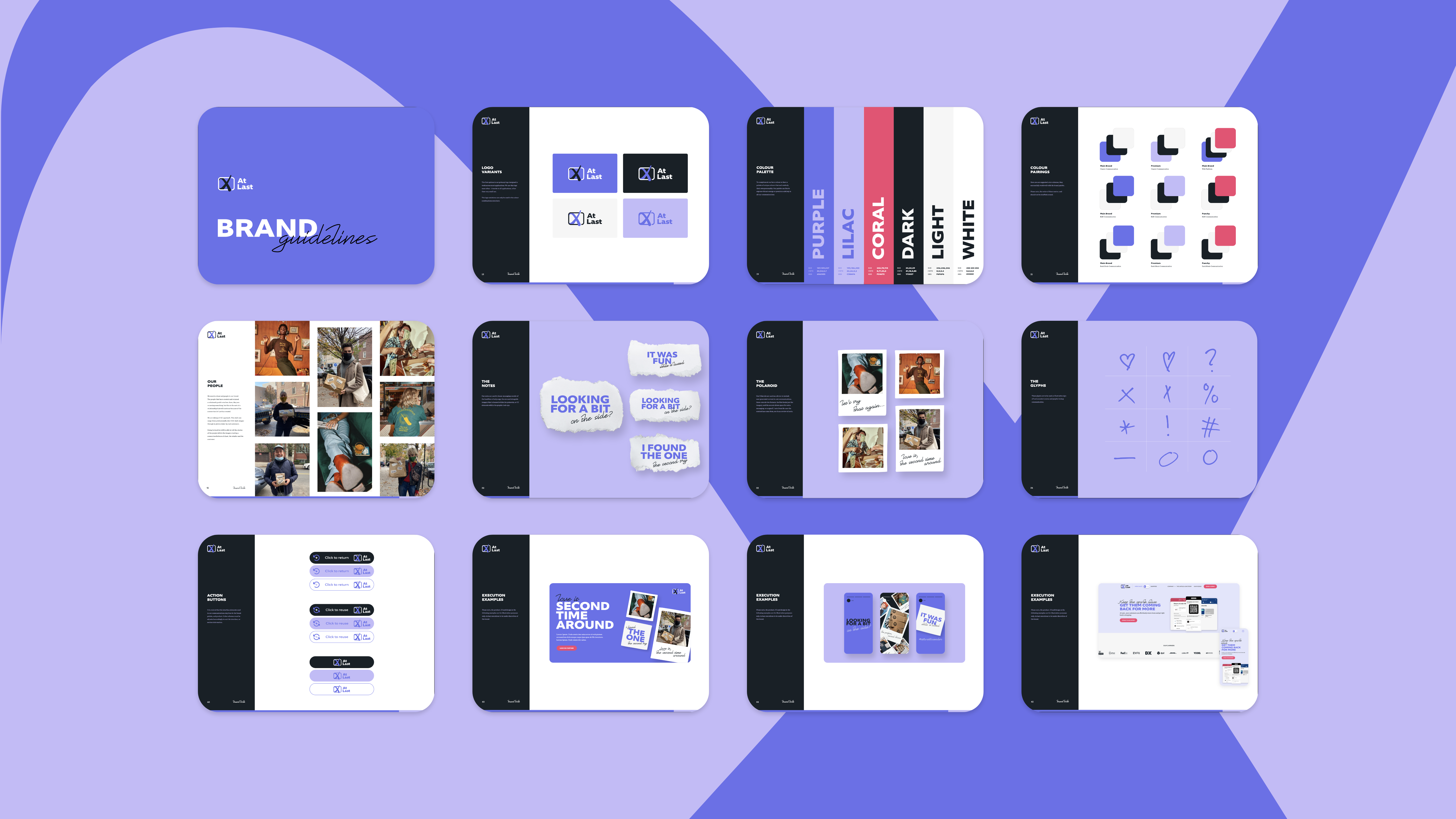
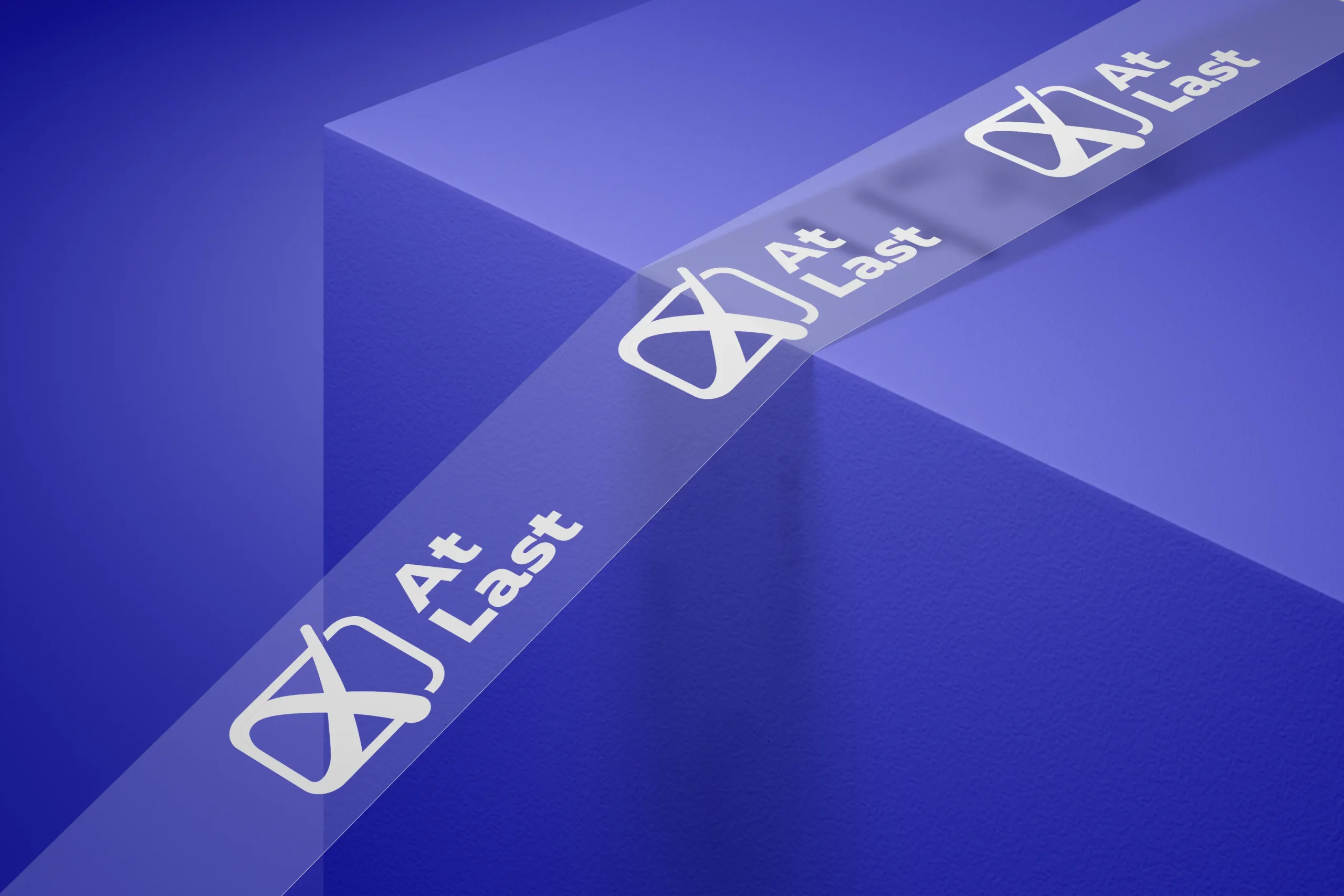
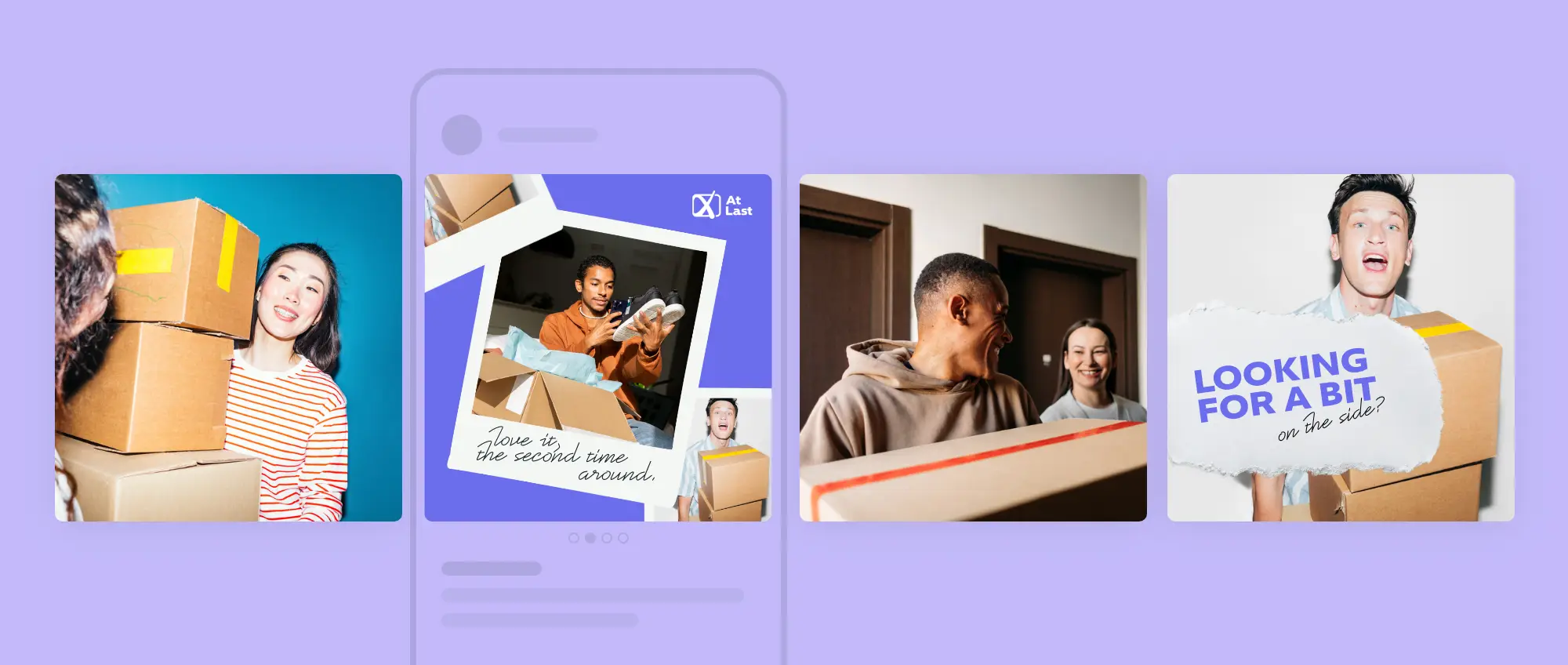
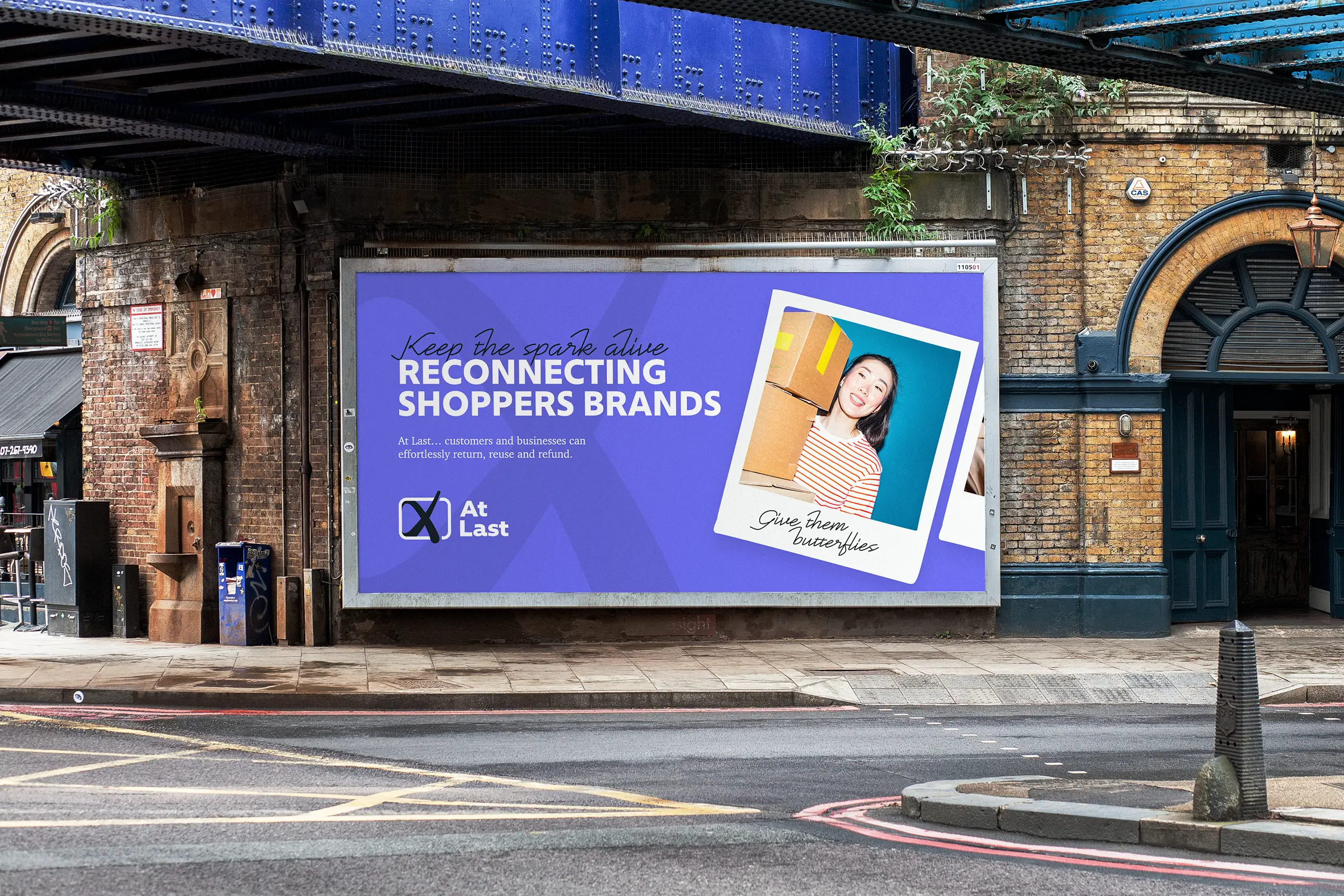
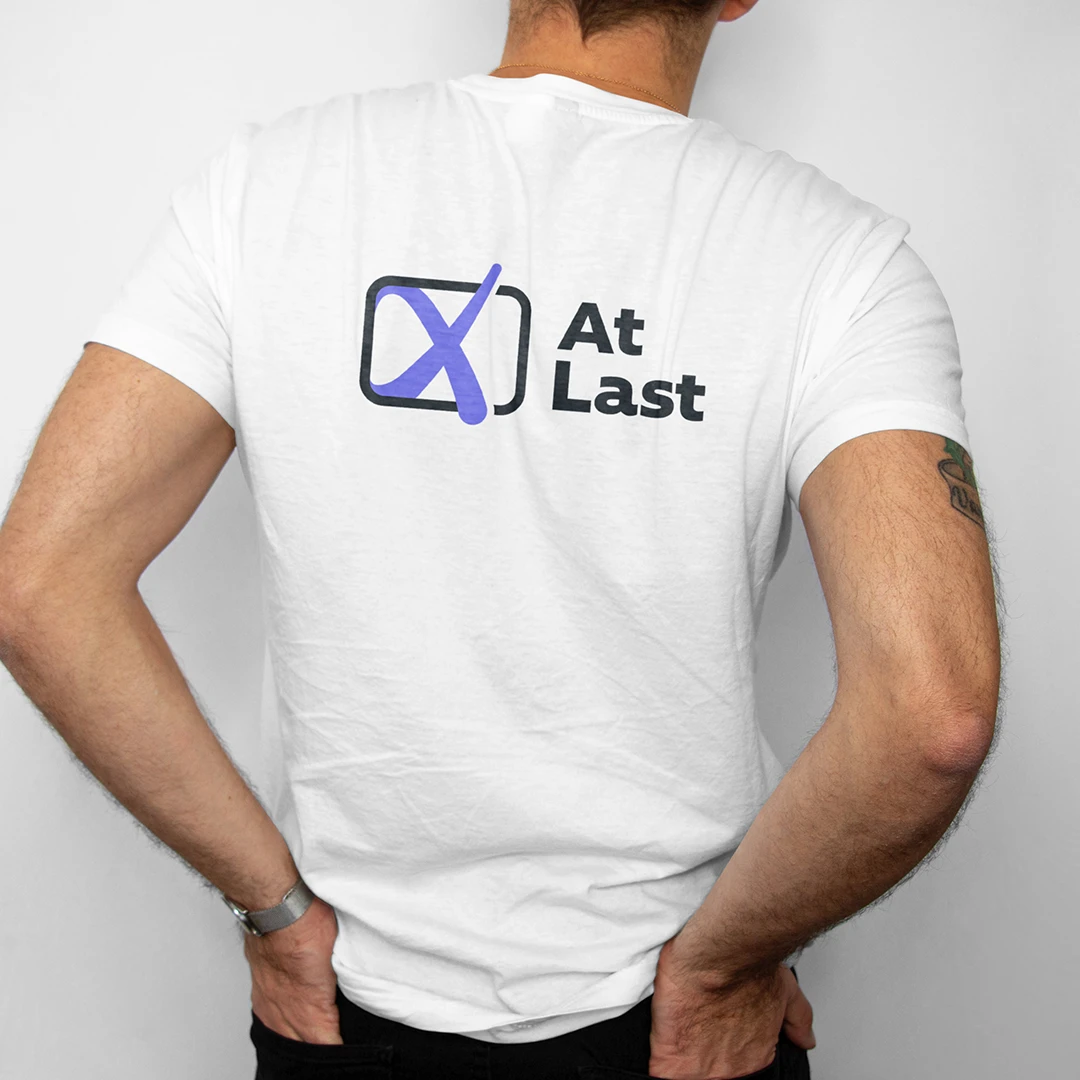
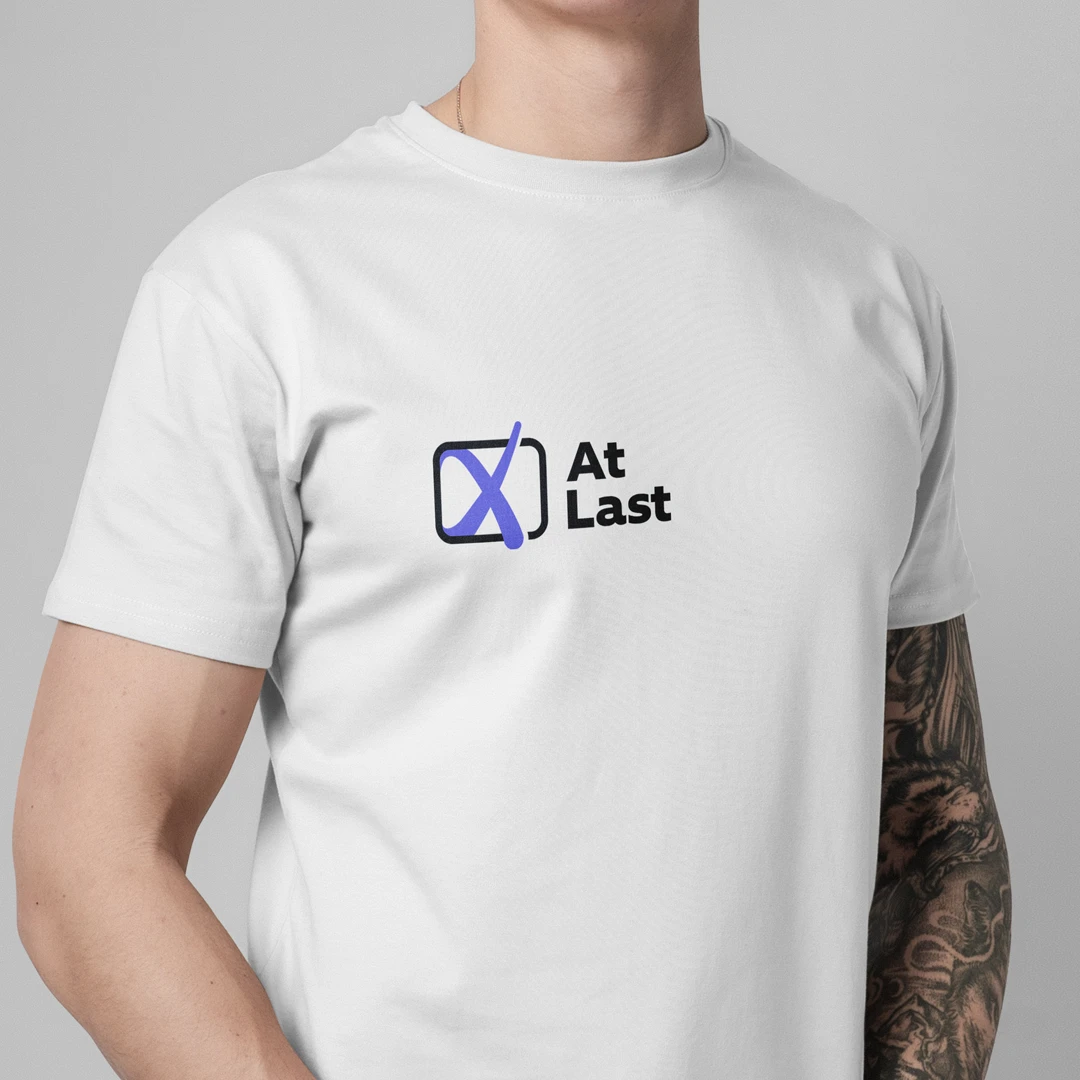
The visual identity brought this world to life. Typography took inspiration from handwritten love letters. The logo felt like a note signed with a kiss. Polaroids and post-its added warmth, nostalgia and personality across brand communications, reinforcing the idea of romance, memory and connection.
The result was a brand that made returns feel human, optimistic and even a little bit charming. At Last transformed a category built on frustration into one built on care, clarity and connection. Helping retailers and shoppers stay together for the long haul, and proving that even when things do not go to plan, great relationships can still be saved.
At Last, returns can just click.